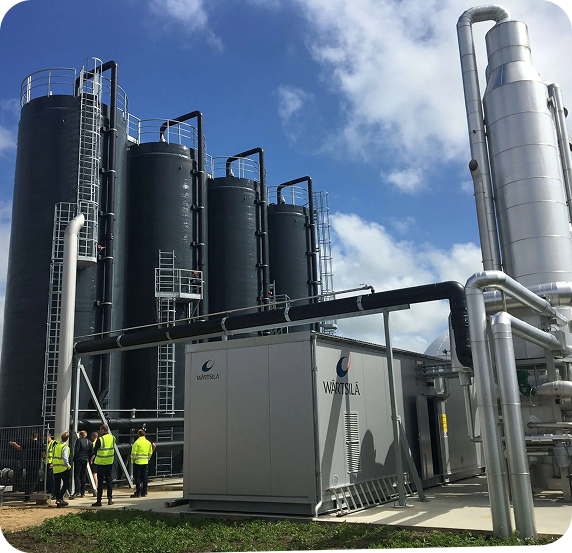





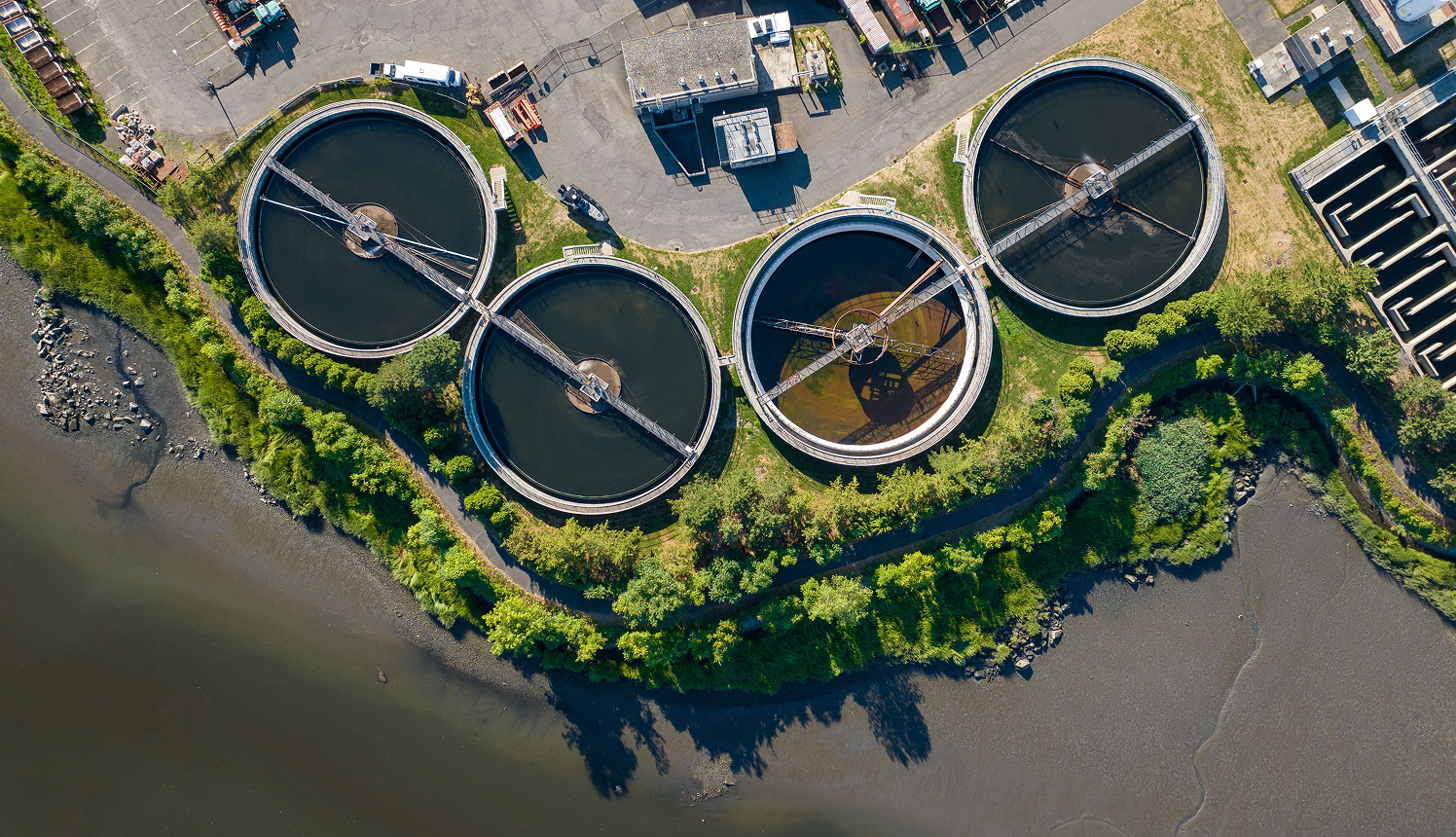
Anaerobic digestion: Waste to energy for wastewater
Municipal wastewater treatment plants benefit from using anaerobic digestion (AD) to manage mixed waste streams and generate their own renewable natural gas (RNG) for heat and power generation (CHP). Excess RNG can be sold for injection into the gas grid to generate additional revenue.
Treatment of mixed waste streams in RNG production
Producing biogas through AD for wastewater treatment provides a long-term reliable solution to the treatment of mixed waste streams. Biogas for on-site electricity generation helps plants with energy self-sufficiency or provides back-up power resilience.
Leveraging AD for wastewater treatment plants can gain additional revenue from ammonia, sulfate, and from upgrading biogas to biomethane for grid injection or liquefaction for municipal transport use.
Plants that process mixed waste streams need predictable and stable year-to-year operating costs over the lifecycle of the facility.
The unpredictable nature of mixed waste streams in wastewater facilities means biogas production technology needs to be self-regulating and flexible. Undertaking proactive and preventative maintenance reduces unexpected downtime.
Wastewater treatment plants experience variable waste flows that cause seasonal variations in RNG flow and H₂S concentrations. This can cause operational problems where biogas production technology is not able to easily adapt.


Support operational efficiency and decarbonisation
Anaerobic digestion for municipal wastewater treatment plants enables management of waste and generates renewable natural gas for power generation through CHP, for upgrading to biomethane for grid injection or liquefaction for transport use.
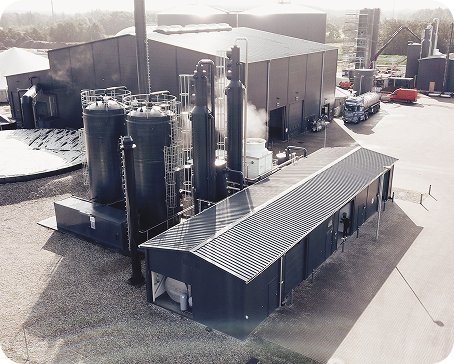
01
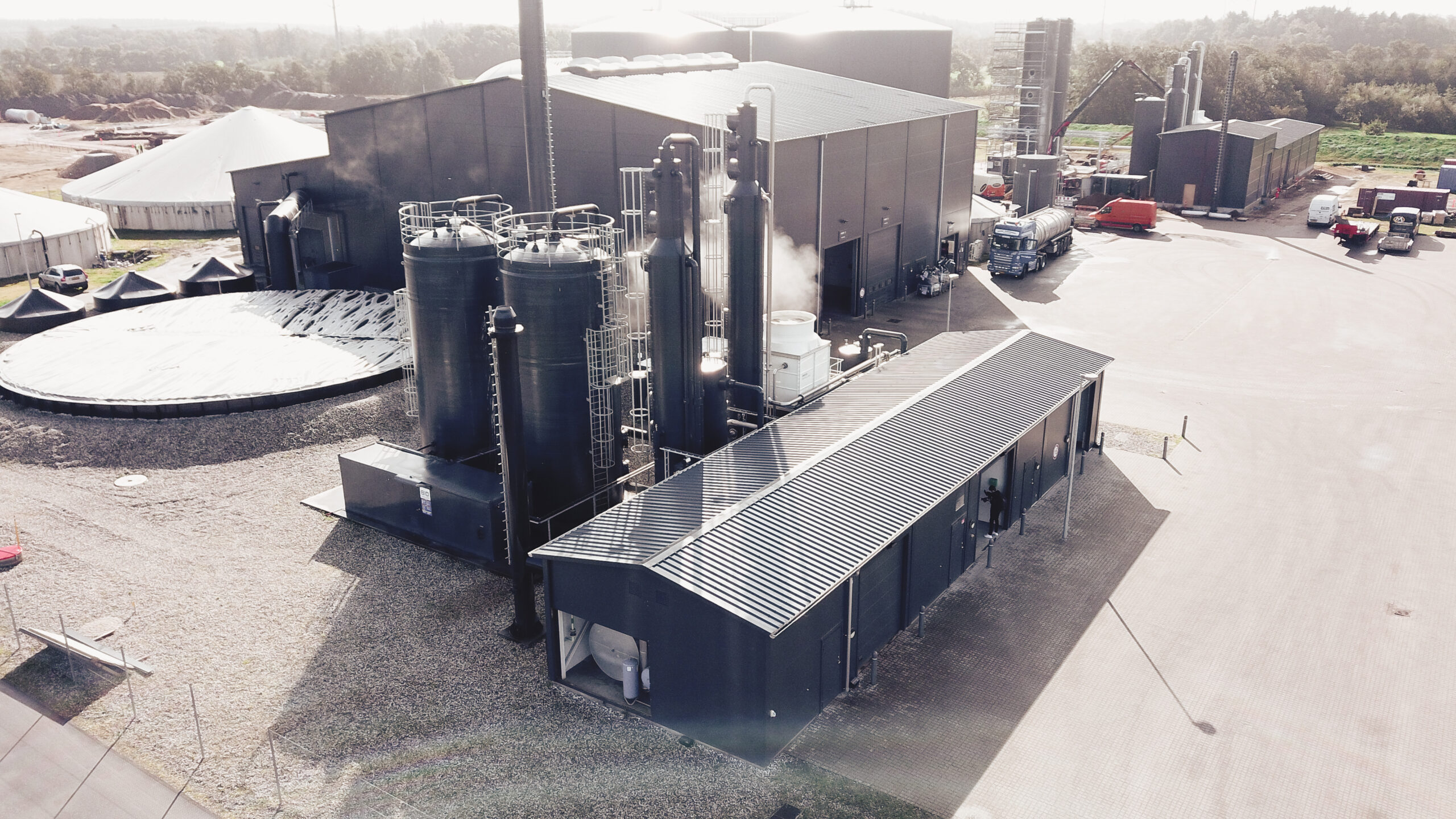
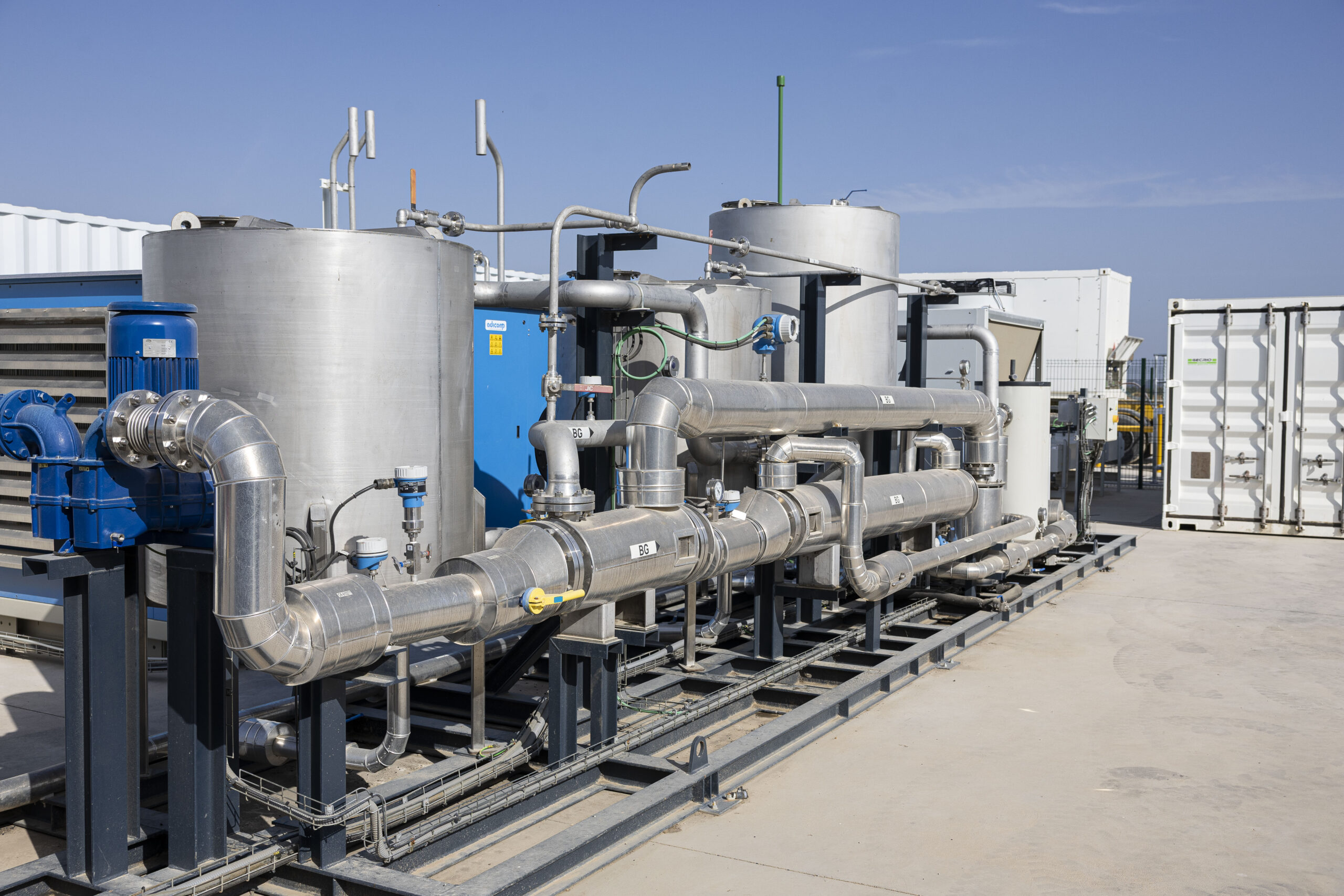
Desulphurisation of biogas
To prevent damage and ensure long life, H₂S must be removed from biogas for use in CHP engines. Biogasclean DS-BTR and DS-MBR desulfurization solutions are self-adapting with reliable H₂S removal. Biological in nature, the solutions operate with minimal supervision at a fraction of the cost of alternatives and provide further polishing for VOC and siloxane removal.
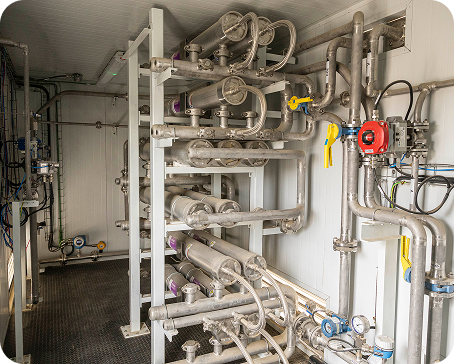
02
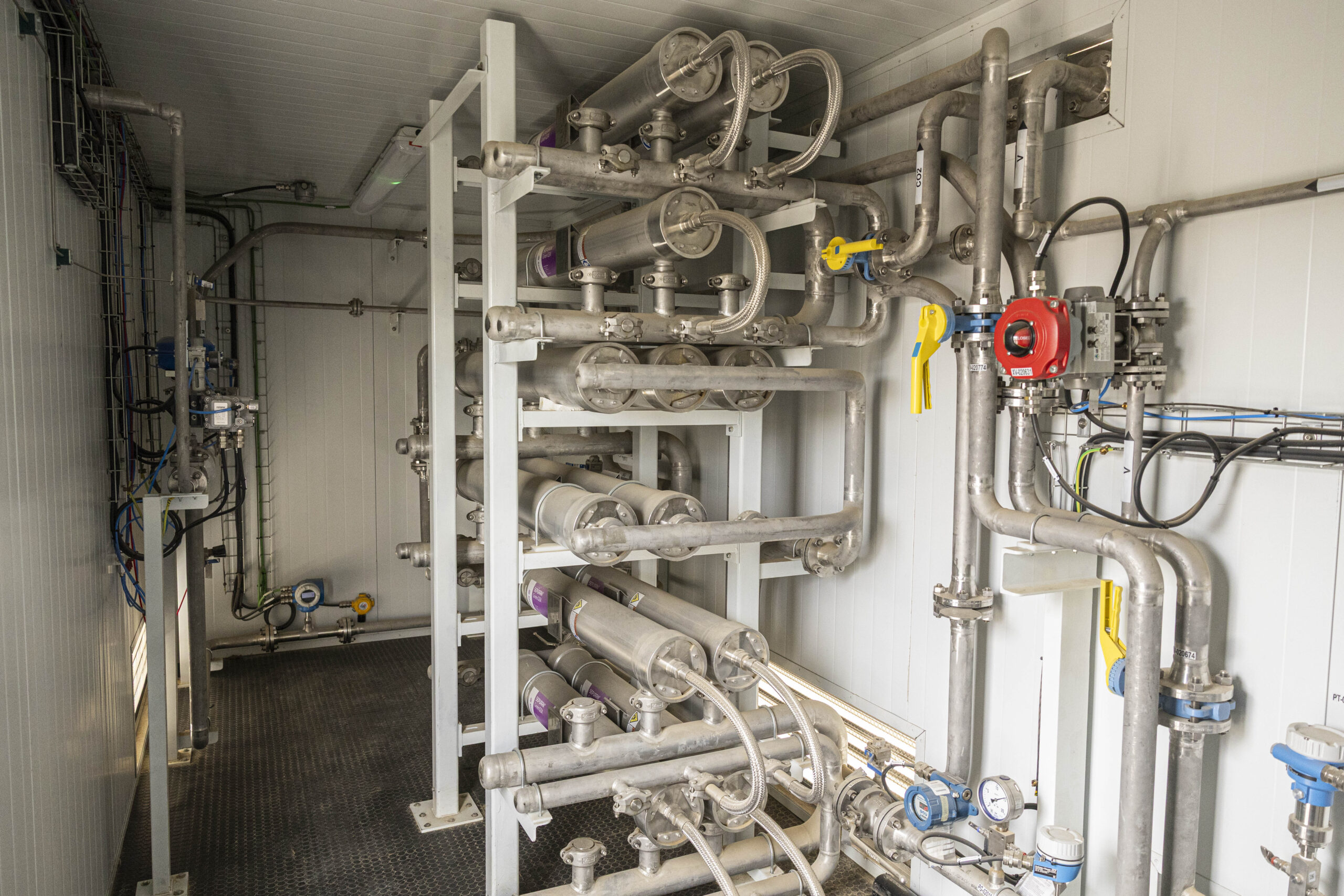
Biogas membrane upgrading technology
UPG-MS membrane systems are designed to produce high-quality biomethane for injection into the grid, liquefaction or CHP engines. Flexible modular system for use with CNG and LNG systems.
03
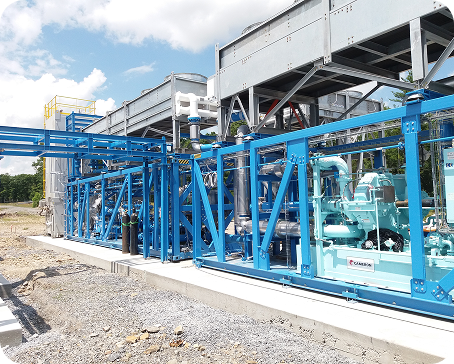
Bio-CNG and bio-LNG production
Compressing biomethane (bio-CNG) enables the storage and distribution of renewable natural gas for wider use. Biomethane may also be liquefied to bio-LNG for use in heavy road and maritime transport and industry.
Full gas value chain
Full renewable gas train solution covering biological desulphurisation, modular biogas upgrading to biomethane, CO₂ removal and liquefaction, biomethane to bio-CNG and bio-LNG systems, methanation, and gas polishing for fuel cell use to add maximum value. Fully supported by lifecycle management service and maintenance options.

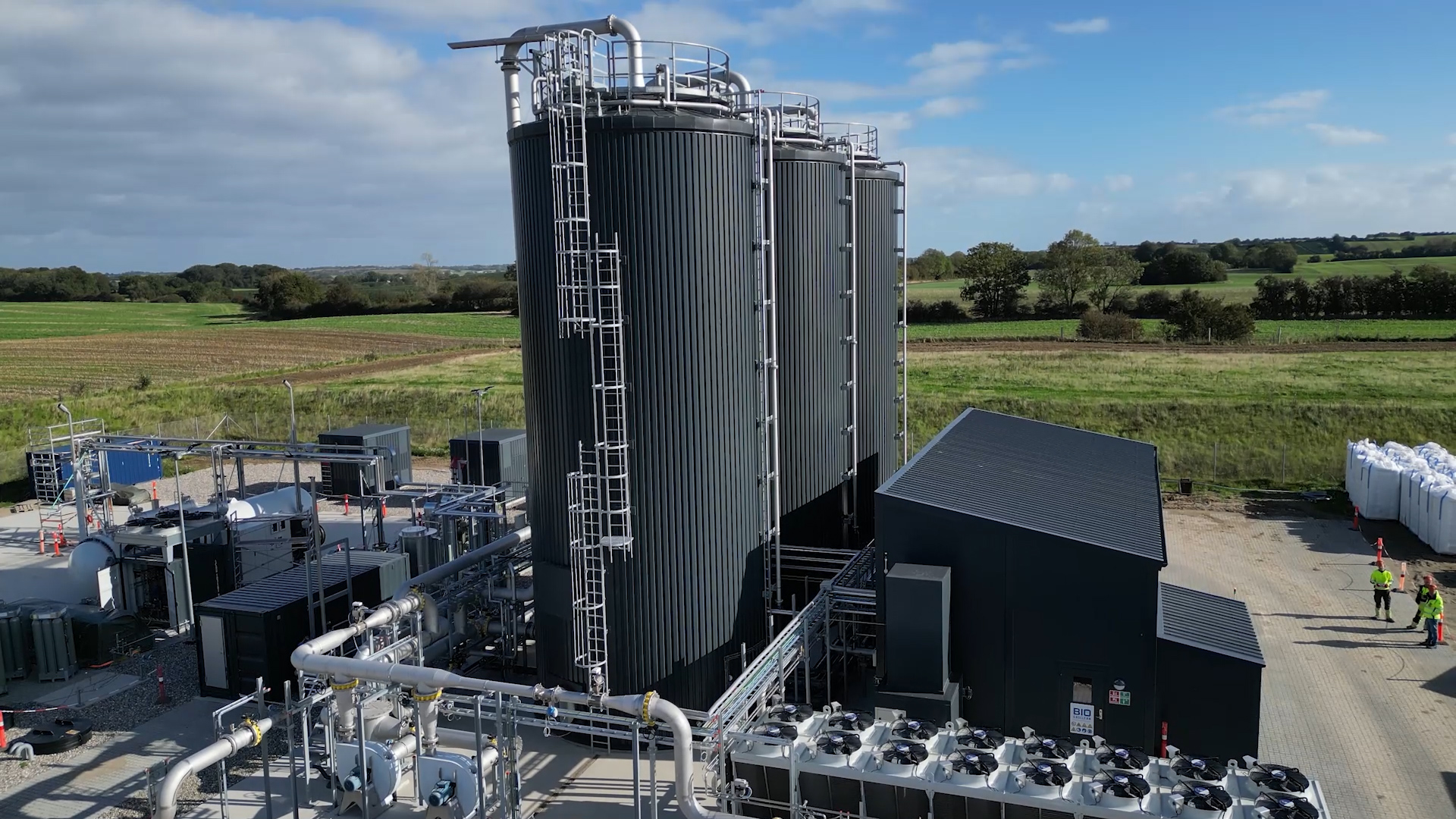
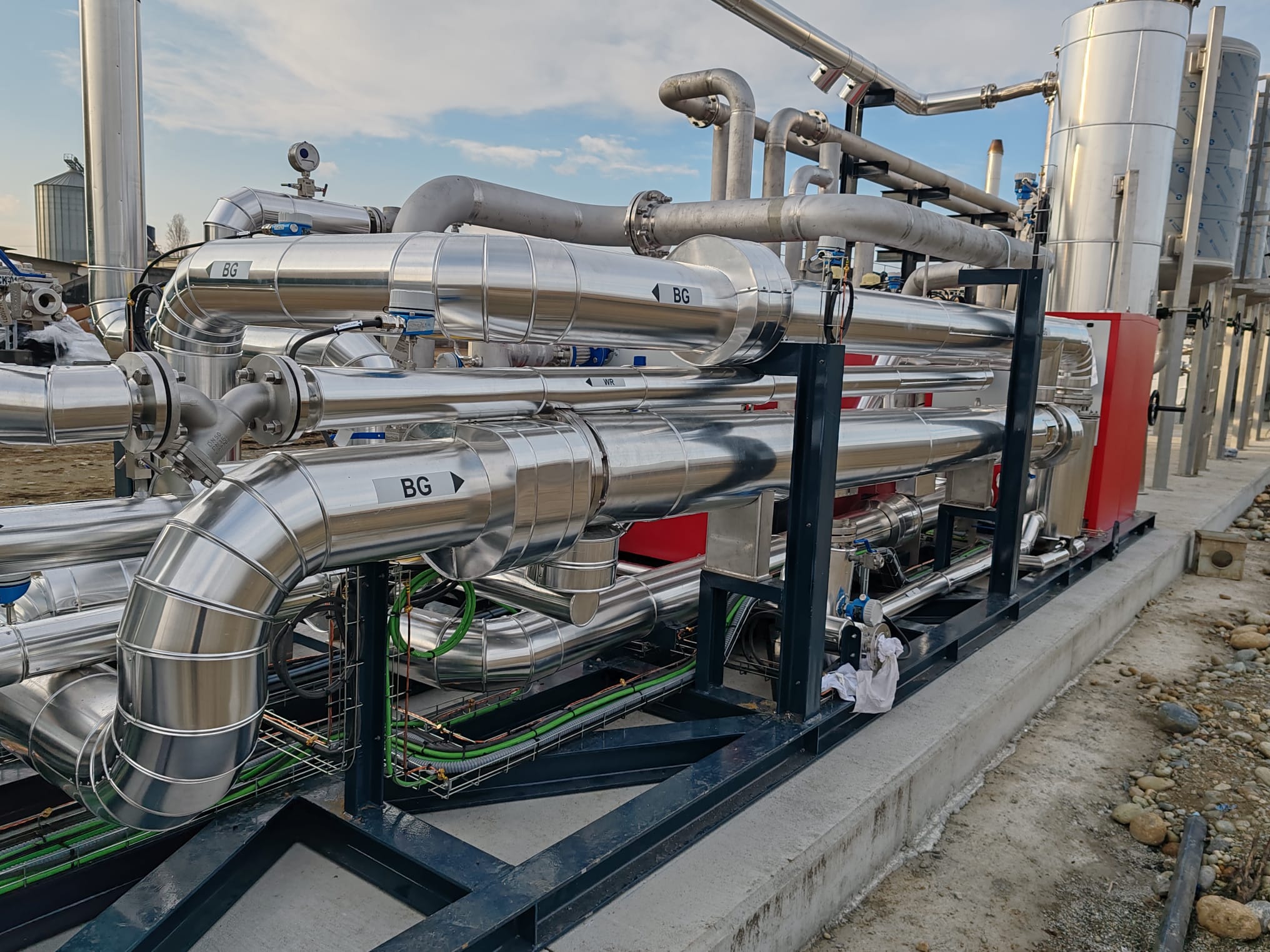
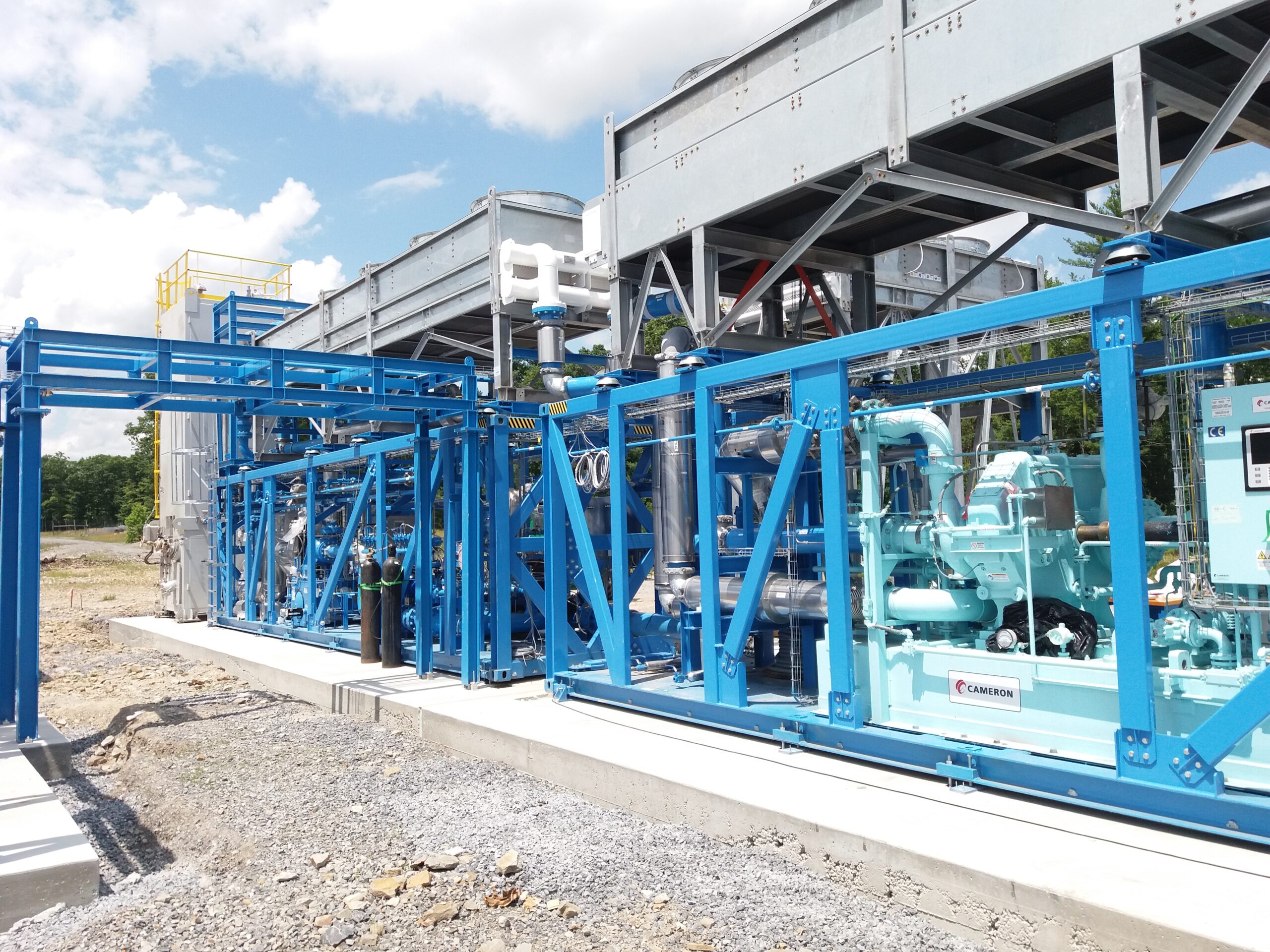
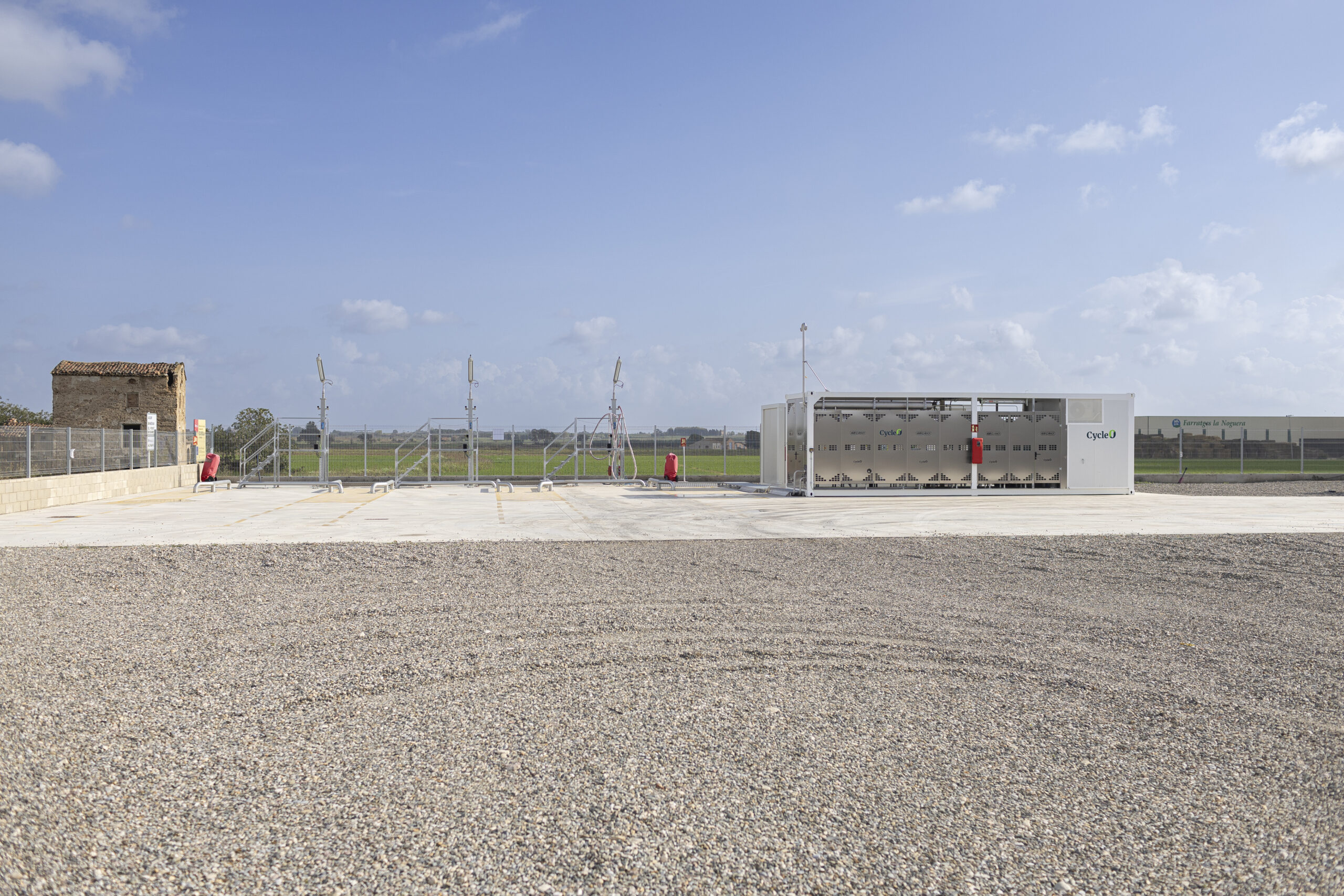
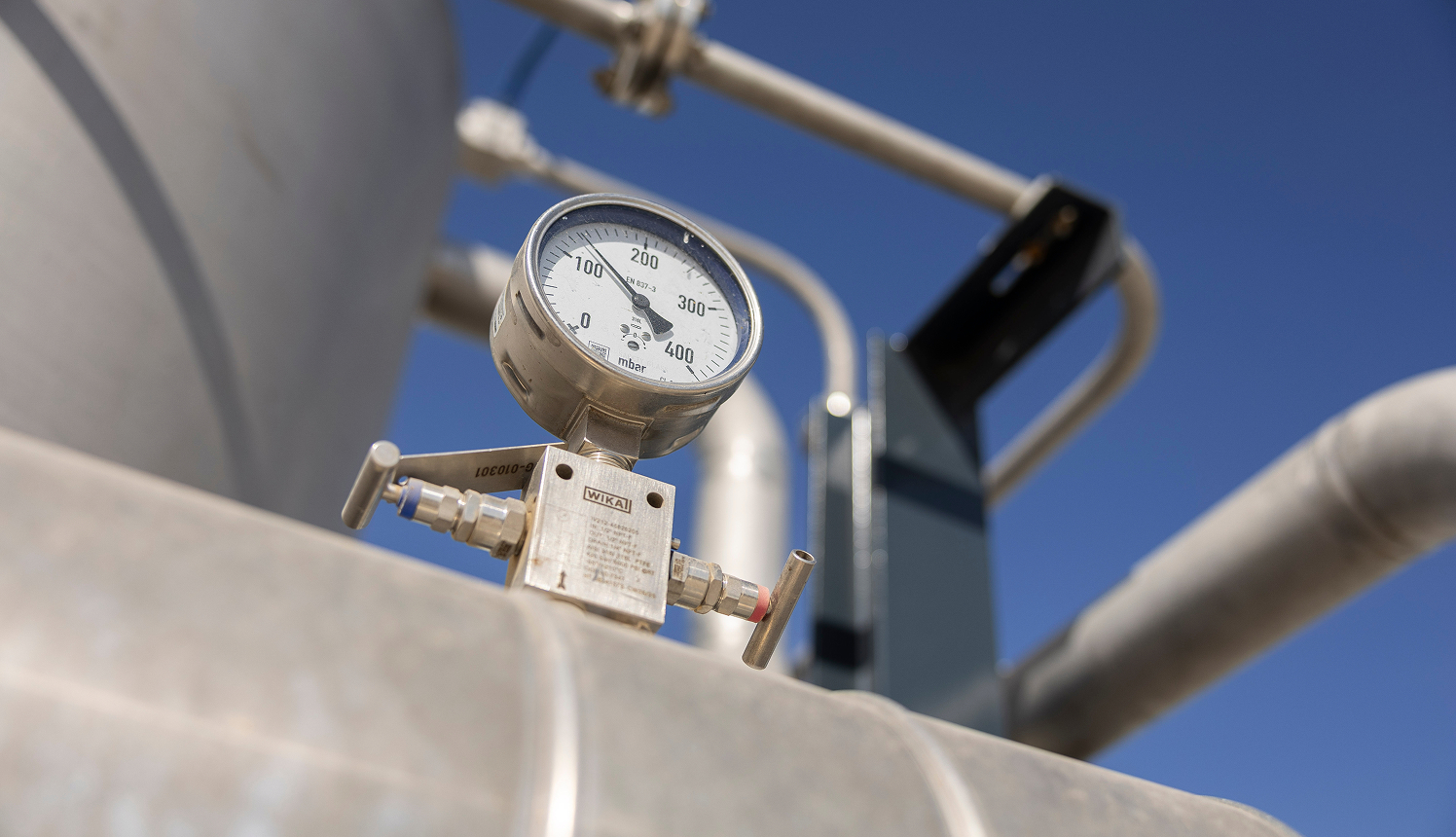
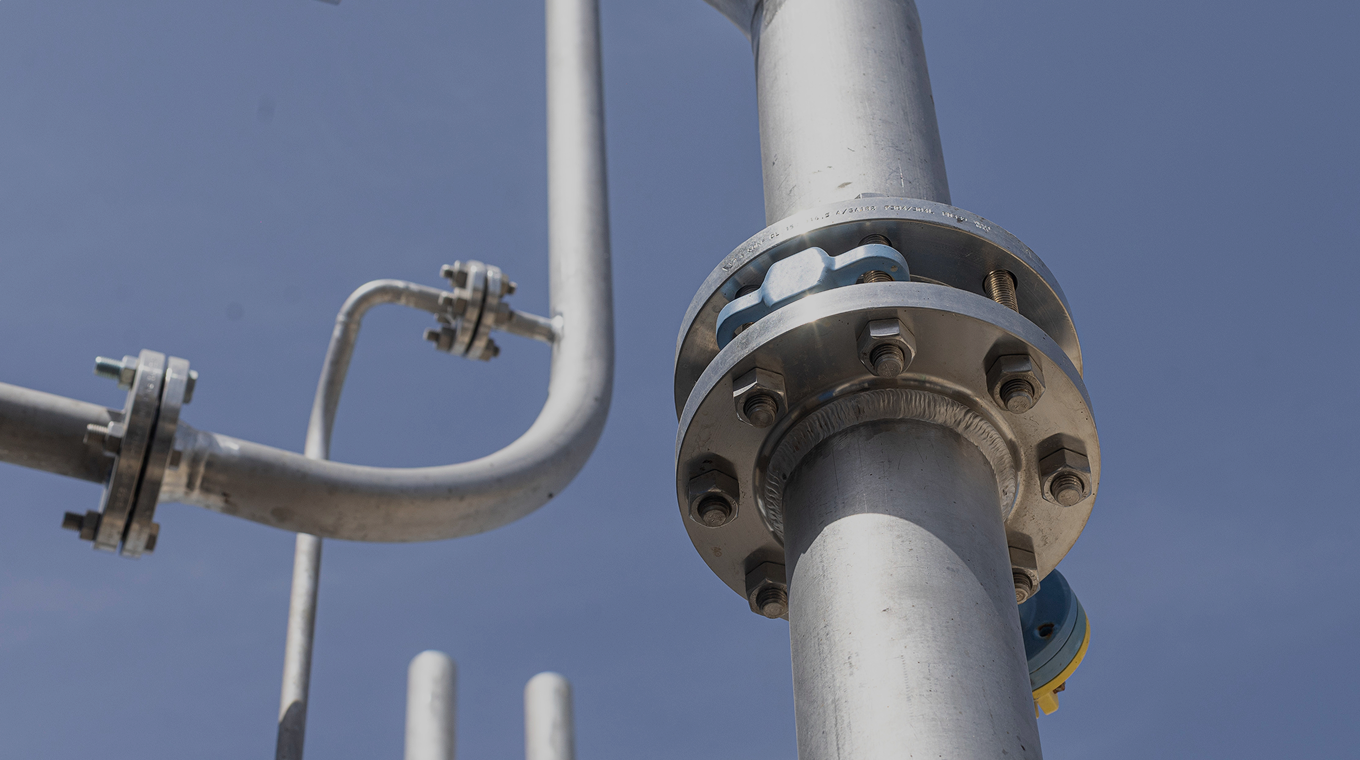

Reliable trusted solutions
100%
100% biological gas purification Biological desulphurisation is 100% chemical free with low and stable TCO compared to alternatives
400+
Installations worldwide The leader in gas transformation solutions, Biogasclean solutions have been trusted across varied sector applications for almost 20 years.
98% availability
Self-regulating biological solutions Desulphurisation for reliable H₂S removal from biogas. Chemical-free self-regulating solutions that adapt to changes in process flows without the need for manual intervention.
Applications in action
Explore how Biogasclean full gas transformation solutions are delivering value across diverse sectors, enabling H₂S removal and biogas upgrading.
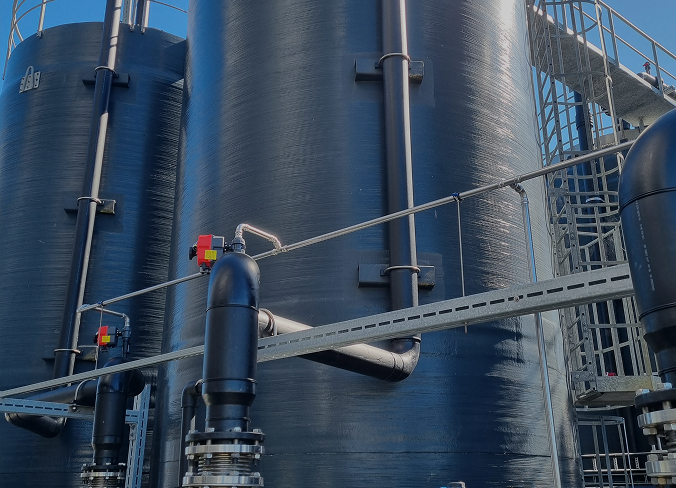


Testimonials
The Biogasclean upgrading solution UPG-MS was adapted to our needs, giving us the flexibility and reliability we need. Being able to switch from biogas use to upgrading biomethane opens an important revenue stream for our co-operative and the strong operational support we received gives us confidence we can maintain high availability.
Alcarràs Bioproductors

Working with Biogasclean has been a really strong partnership. They are strong on project execution, and they are strong on engineering.
Project Innovation, Nature Energy.
Cycle0 was the best partner to carry out this project, especially due to its economic and technological scale.
President, Toysal Group
What we have learnt is that responsible management of waste is possible. Here, we obtain clean energy that is directly injected into the grid, fertilizers that enrich the soil, all within a sustainable framework.
Technical Director, Toysal Group
The Biogasclean upgrading solution UPG-MS was adapted to our needs, giving us the flexibility and reliability we need. Being able to switch from biogas use to upgrading biomethane opens an important revenue stream for our co-operative and the strong operational support we received gives us confidence we can maintain high availability.
Alcarràs Bioproductors
Working with Biogasclean has been a really strong partnership. They are strong on project execution, and they are strong on engineering.
Project Innovation, Nature Energy.
Cycle0 was the best partner to carry out this project, especially due to its economic and technological scale.
President, Toysal Group
What we have learnt is that responsible management of waste is possible. Here, we obtain clean energy that is directly injected into the grid, fertilizers that enrich the soil, all within a sustainable framework.
Technical Director, Toysal Group