


St Cloud Minnesota
  • Wastewater treatment
  • USA

St Cloud Minnesota

Category

Wastewater treatment

Location

USA

Year

2020

Technology

Desulfurization

Capacity

9.5 – 10MGD daily processed

Output

1.26 MW of biogas produced in 2 CHP units

Background

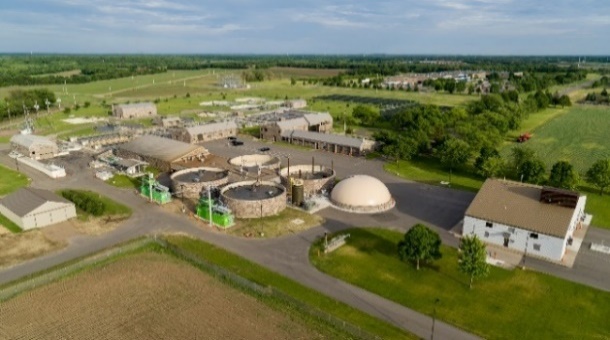
The City of St. Cloud, Minnesota constructed its first wastewater treatment facility in 1956. Since 1976, the St. Cloud plant has progressed from sewage treatment to wastewater treatment, and now to resource recovery with RNG production. Today, the St. Cloud Nutrient, Energy and Water (NEW) Recovery Facility is recognized locally, nationally and internationally as a leader for its innovative wastewater treatment and resource recovery strategies. The NEW Recovery Facility is a Class A wastewater treatment facility that serves over 122,000 customers in six cities. It has a rated capacity of 17.9 MGD with an average daily flow of 9.5 to 10 MGD.


Objectives

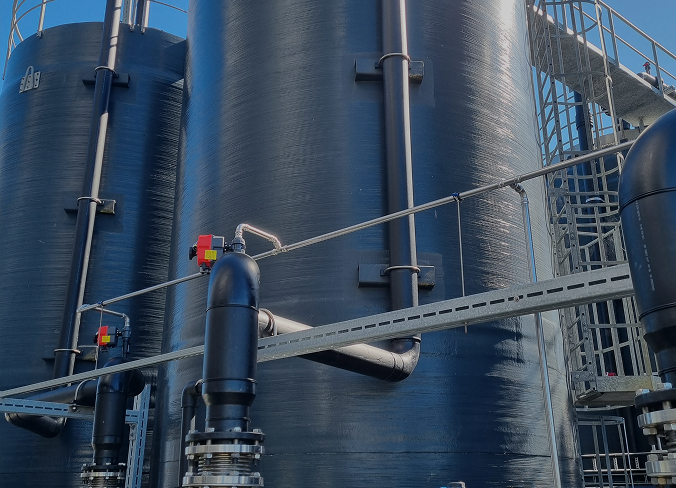
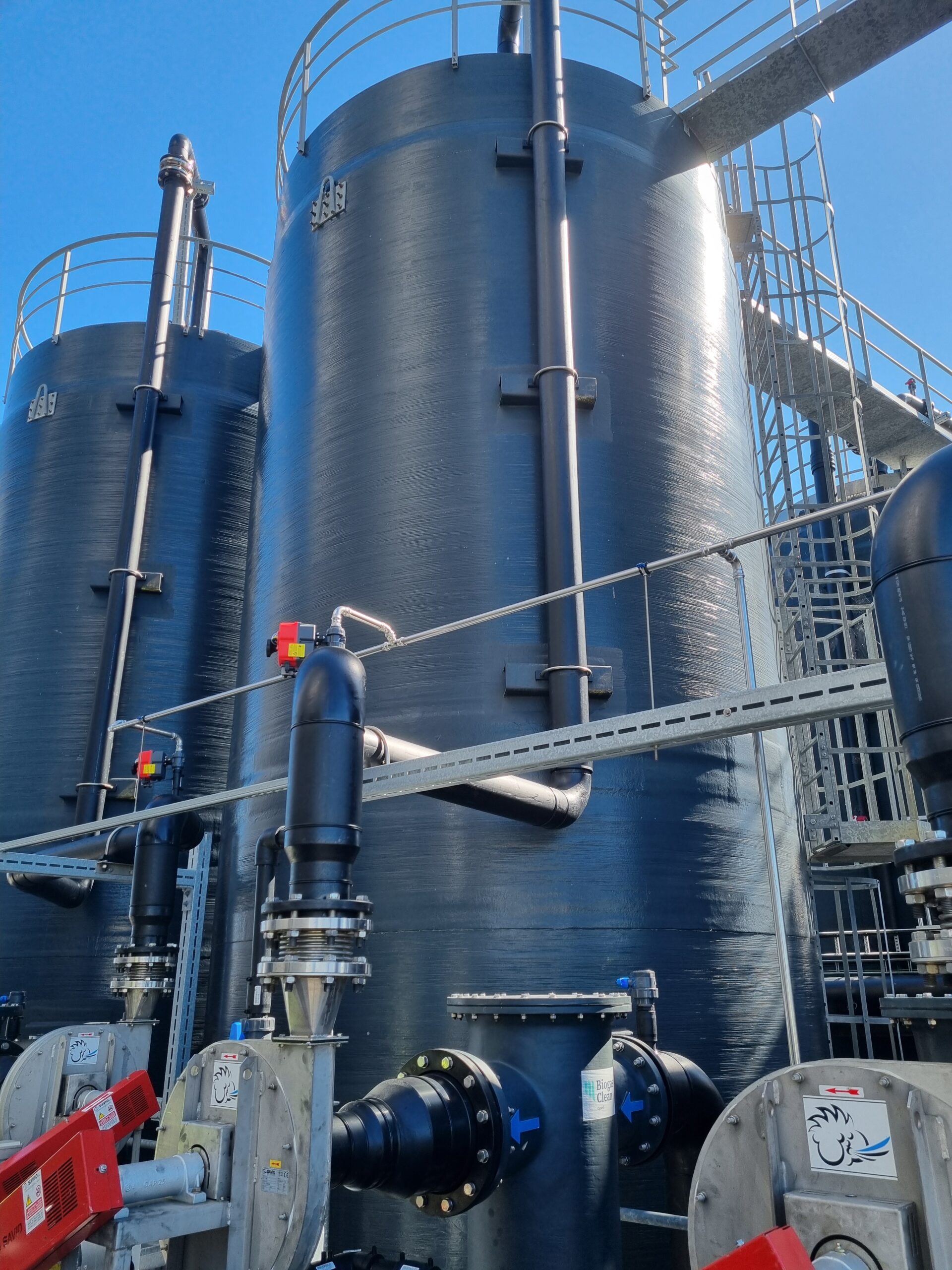
In 2014, the NEW facility invested to achieve net zero energy. and in 2017, the first onsite renewable electric generation options were installed to produce energy from biogas (633 kW engine driven CHP (combined heat and power unit) and 2 solar arrays totalling 240 kW). To prevent damage and ensure long life, hydrogen sulphide (H₂S) must be removed from biogas before it can be used to power CHP. Due to its ability to self-adapt and to provide reliable H₂S removal, a biological desulphurization option for wastewater from Biogasclean, DS-BTR, was selected and installed in 2020.


Our experience has been nothing but positive with biological desulfurization. It’s safer and easier to use than alternatives as it self-adapts and does not require hazardous chemicals. We highly recommend the biological desulfurization solution from Biogasclean and we know that we would not have achieved net zero without it.

St Cloud Plant Manager.
Results

Biogas and air are introduced at the top of the reactor. Recirculated scrubbing liquid trickles down through structured packing material, providing optimal moisture and nutrients for the naturally occurring sulphur-oxidizing bacteria. As the gas passes through the packing, hydrogen sulphide is removed through biologically oxidization. The system produces a nutrient-rich bleed stream (biogenic sludge), which can be safely removed and used as fertilizer. Reliable electricity production from biogas produced during wastewater treatment at the plant runs CHP units which enabled the St Cloud to achieve net zero in 2021. By achieving this goal, the local utility generated power now serves as a backup to the onsite generated renewable power (CHP and solar arrays), thus providing added plant operational reliability.


By displacing grid power and reducing natural fossil gas consumption through the effective use of RNG to fuel CHP generated electricity and recovered heat, the NEW Recovery Facility is removing over 8.5 million pounds of CO₂ annually from the atmosphere.

August 28, 2026
Share on