




Background
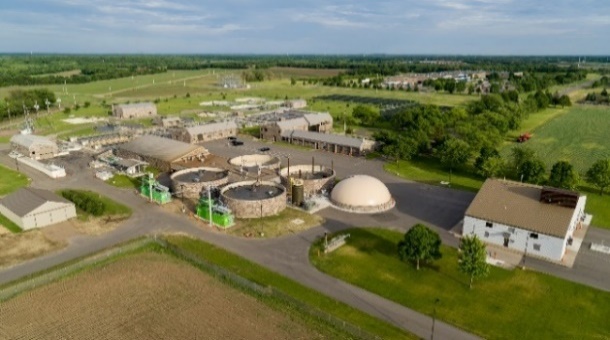
The City of St. Cloud, Minnesota constructed its first wastewater treatment facility in 1956. Since 1976, the St. Cloud plant has progressed from sewage treatment to wastewater treatment, and now to resource recovery with RNG production. Today, the St. Cloud Nutrient, Energy and Water (NEW) Recovery Facility is recognized locally, nationally and internationally as a leader for its innovative wastewater treatment and resource recovery strategies. The NEW Recovery Facility is a Class A wastewater treatment facility that serves over 122,000 customers in six cities. It has a rated capacity of 17.9 MGD with an average daily flow of 9.5 to 10 MGD.
Objectives
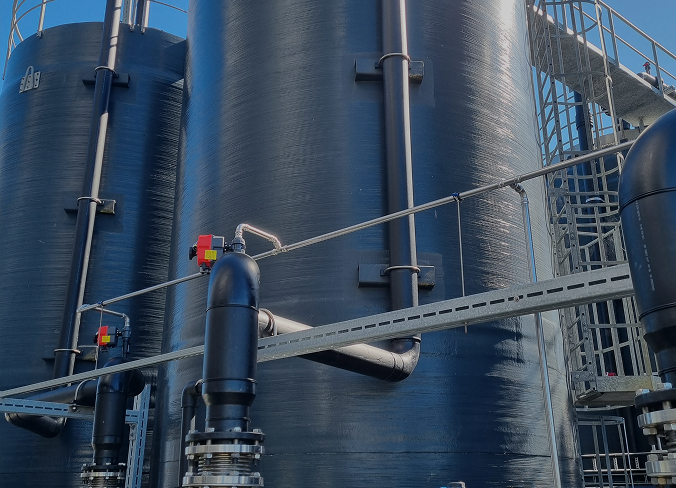
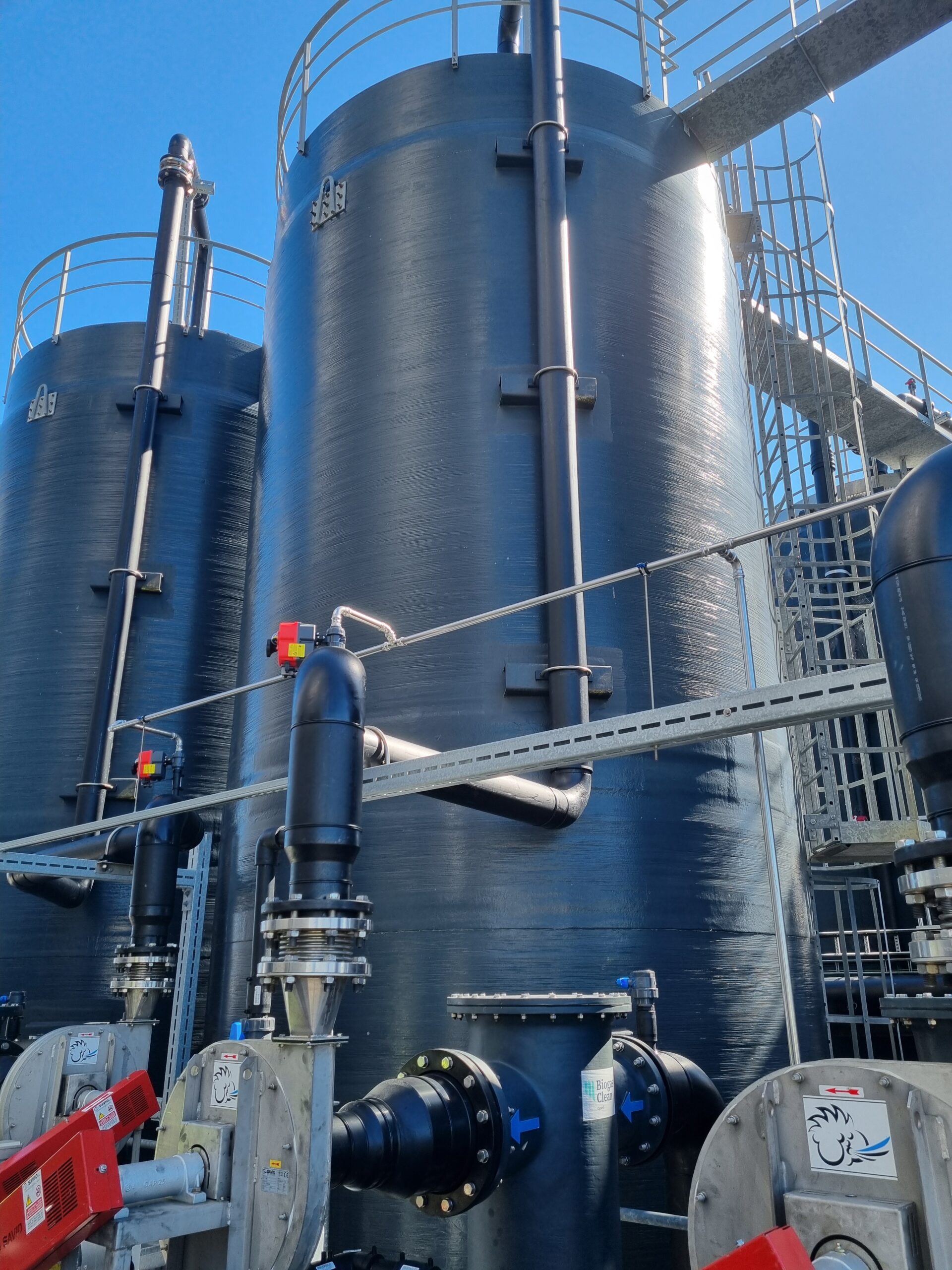
In 2014, the NEW facility invested to achieve net zero energy. and in 2017, the first onsite renewable electric generation options were installed to produce energy from biogas (633 kW engine driven CHP (combined heat and power unit) and 2 solar arrays totalling 240 kW). To prevent damage and ensure long life, hydrogen sulphide (H₂S) must be removed from biogas before it can be used to power CHP. Due to its ability to self-adapt and to provide reliable H₂S removal, a biological desulphurization option for wastewater from Biogasclean, DS-BTR, was selected and installed in 2020.