




Anaerobic digestion: Good for farming, good for the planet
The agriculture sector is benefitting from anaerobic digestion (AD) to manage organic waste and meet EU nitrates bandings. Generating RNG (renewable natural gas) supports both objectives and can generate additional revenue streams for farmers.
RNG in sustainable modern farming
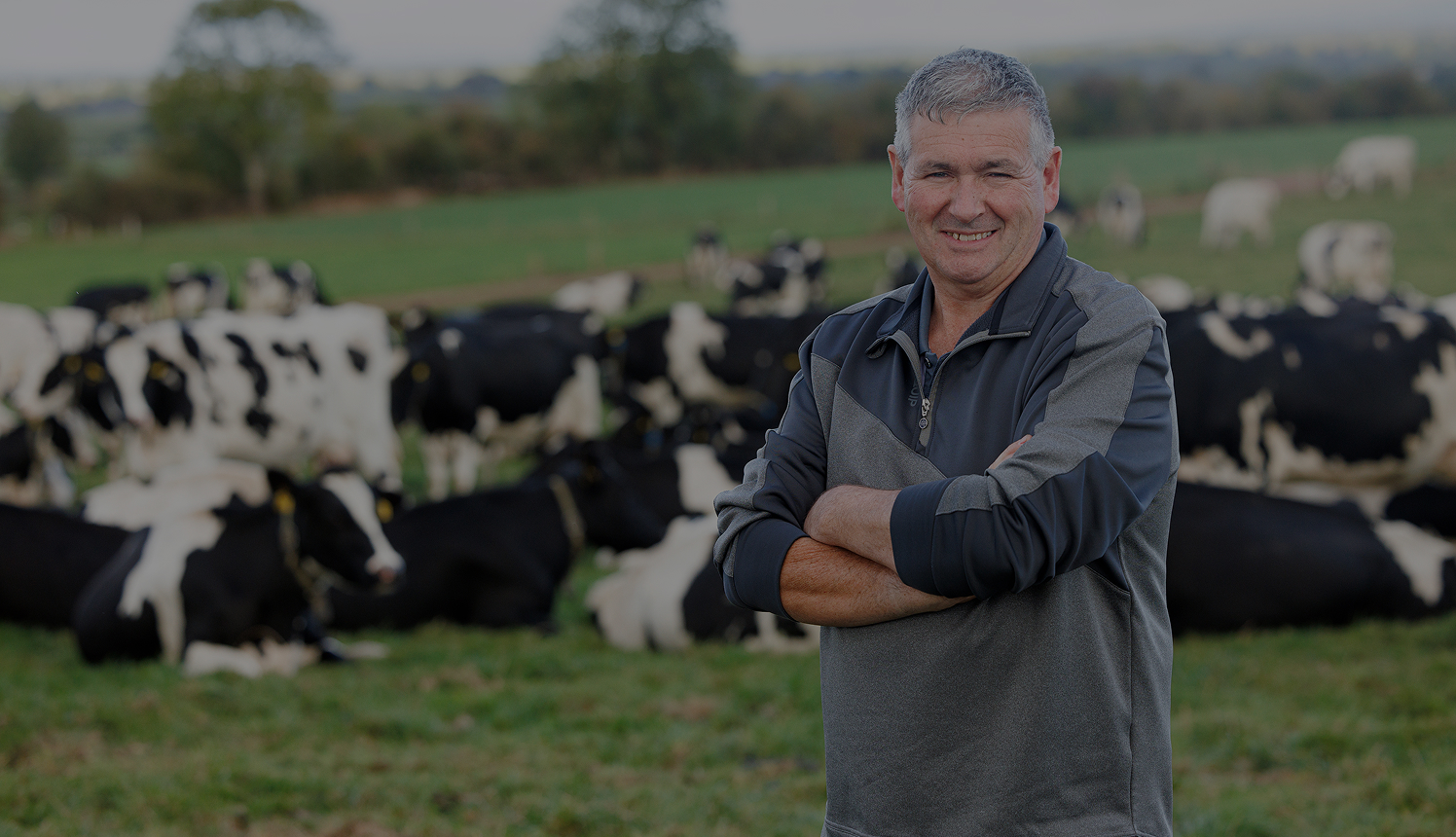
Pressures continue to increase on the agricultural community. Maintaining income in the face of rising and unpredictable costs while balancing sustainability responsibilities is a challenge for any farmer, whether arable or livestock.
Meeting environmental legislation is a key and growing requirement for all agriculture businesses. Managing nitrates in waste meets this need and ensures protection of water courses while supporting soil health.
Diversification that makes best use of farm assets helps to support farming incomes and maintain rural life. This can include land or co-investment in renewable energy on farm land.
Managing waste can mean leasing additional lands, the construction of additional storage and using transport for slurry and manure management. This adds costs, and additional emissions, which can be unpredictable and expensive in the long term.
Farming needs long-term sustainable solutions that support profitability, maintain organic soil health and protect water courses. Investing in sustainable practices adds value and can reduce energy costs through self-generation.


Drive profit and manage waste
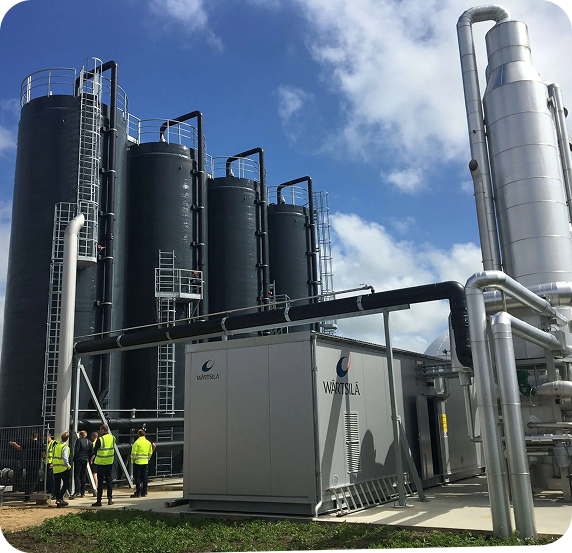
Anaerobic digestion for agriculture enables management of organic waste and generates RNG for upgrading to biomethane for grid injection or liquefaction for transport use.
01
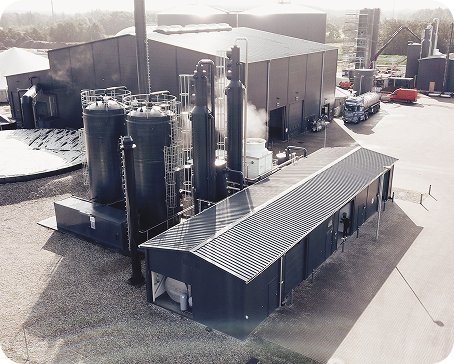
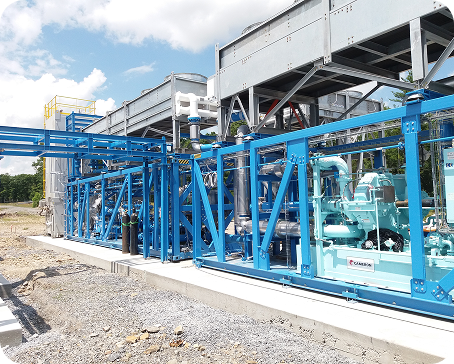
Bio-CNG and bio-LNG production
Compressing biomethane (bio-CNG) enables the storage and distribution of renewable natural gas for wider use. Biomethane may also be liquefied to bio-LNG for use in heavy road and maritime transport and industry.
02
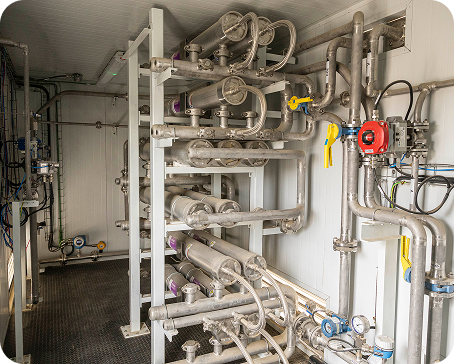
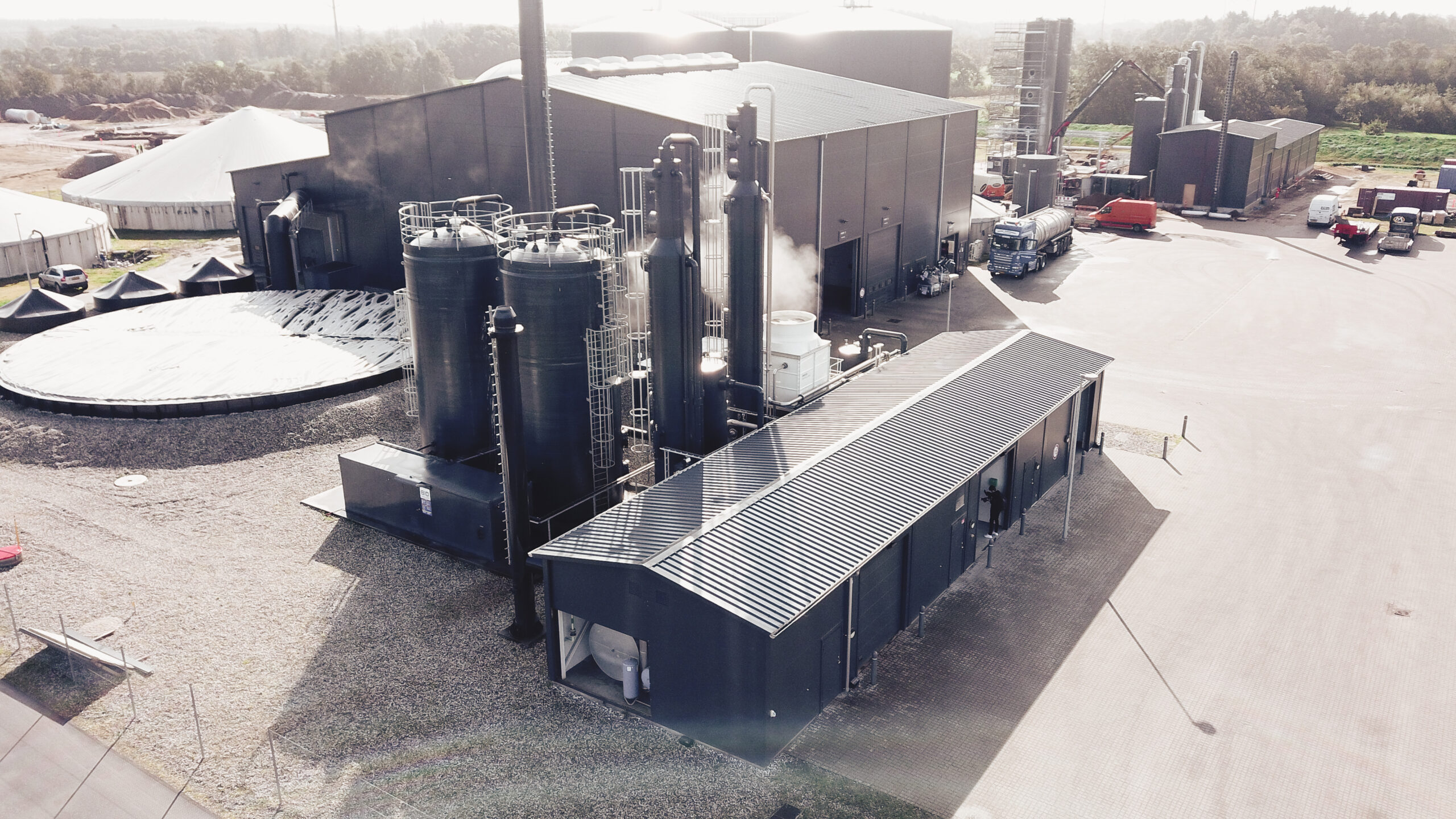
Hydrogen sulfide removal from biogas
To prevent damage and ensure long life, H₂S must be removed from biogas before it can be used to power CHP. Biogasclean DS-BTR and DS-MBR solutions are self-adapting with reliable and robust H₂S removal. Biological in nature, the solutions operate with minimal operator intervention at a fraction of the cost of alternatives.
03
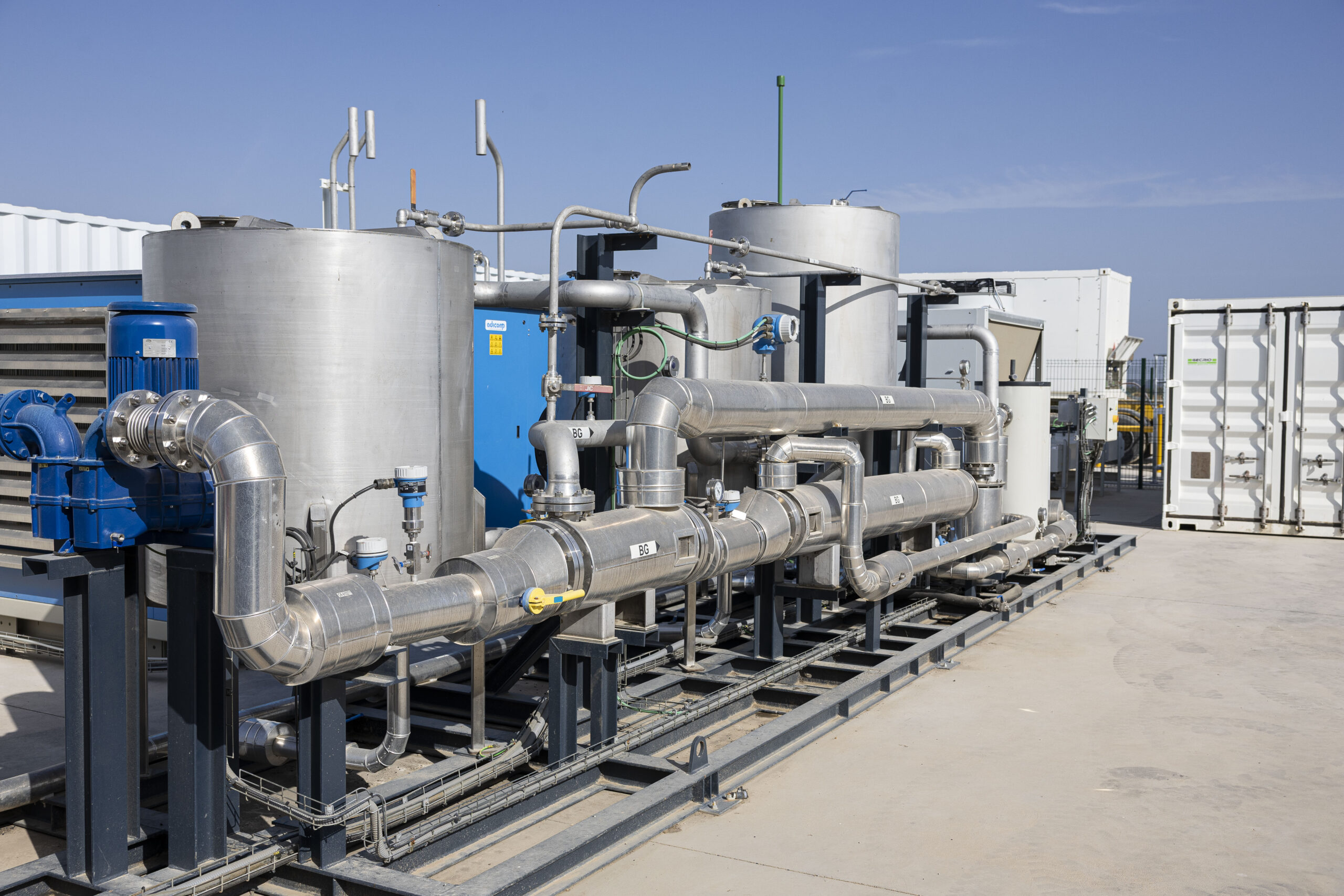
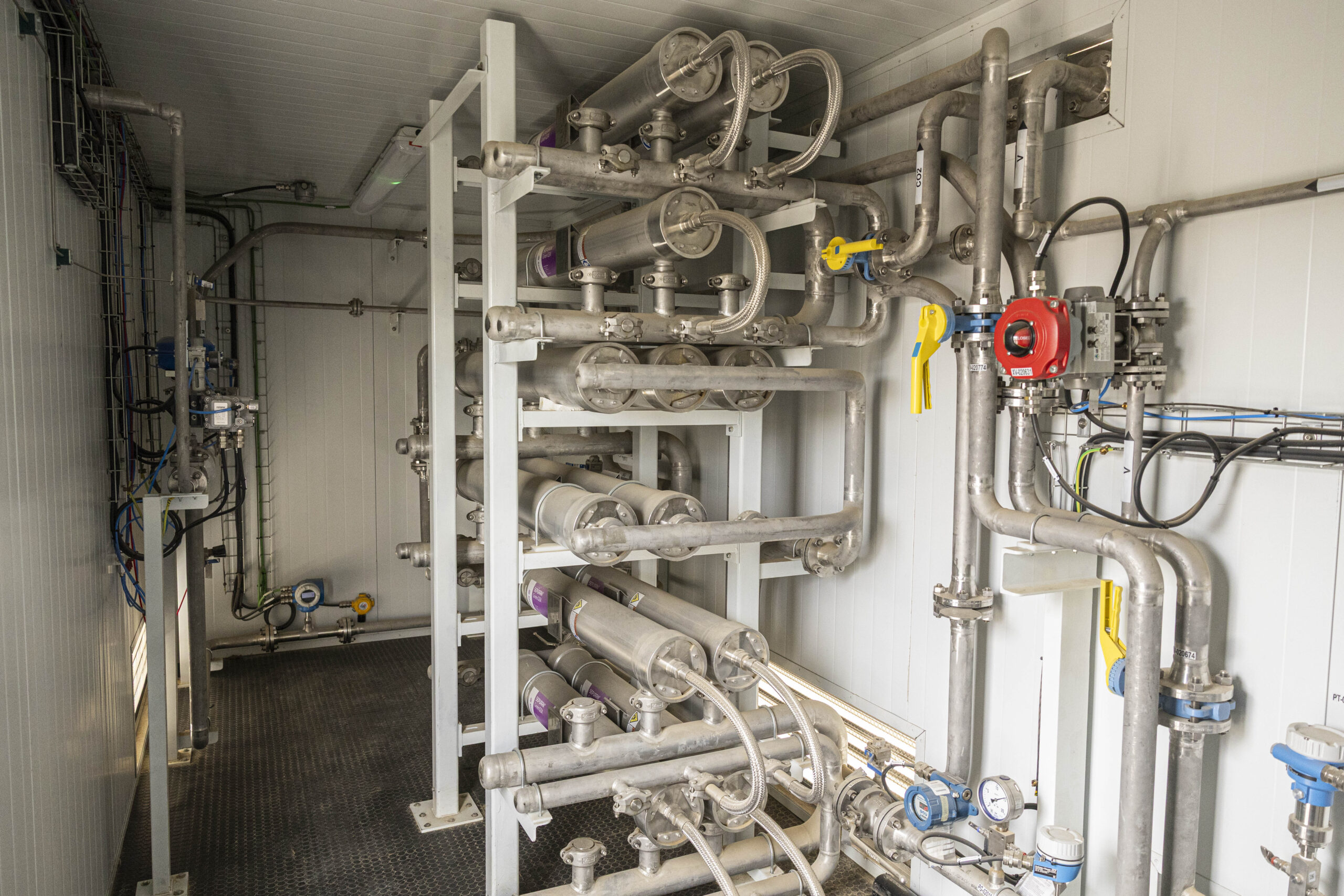
Biogas membrane upgrading
UPG-MS membrane systems are designed to produce high-quality biomethane for injection into the grid, liquefaction or CHP engines. Flexible modular system for use with CNG and LNG systems.
Full gas value chain
Full renewable gas train solution covering biological desulphurisation, modular biogas upgrading to biomethane, CO₂ removal and liquefaction, biomethane to bio-CNG and bio-LNG systems, methanation, and gas polishing for fuel cell use to add maximum value. Fully supported by lifecycle management service and maintenance options.

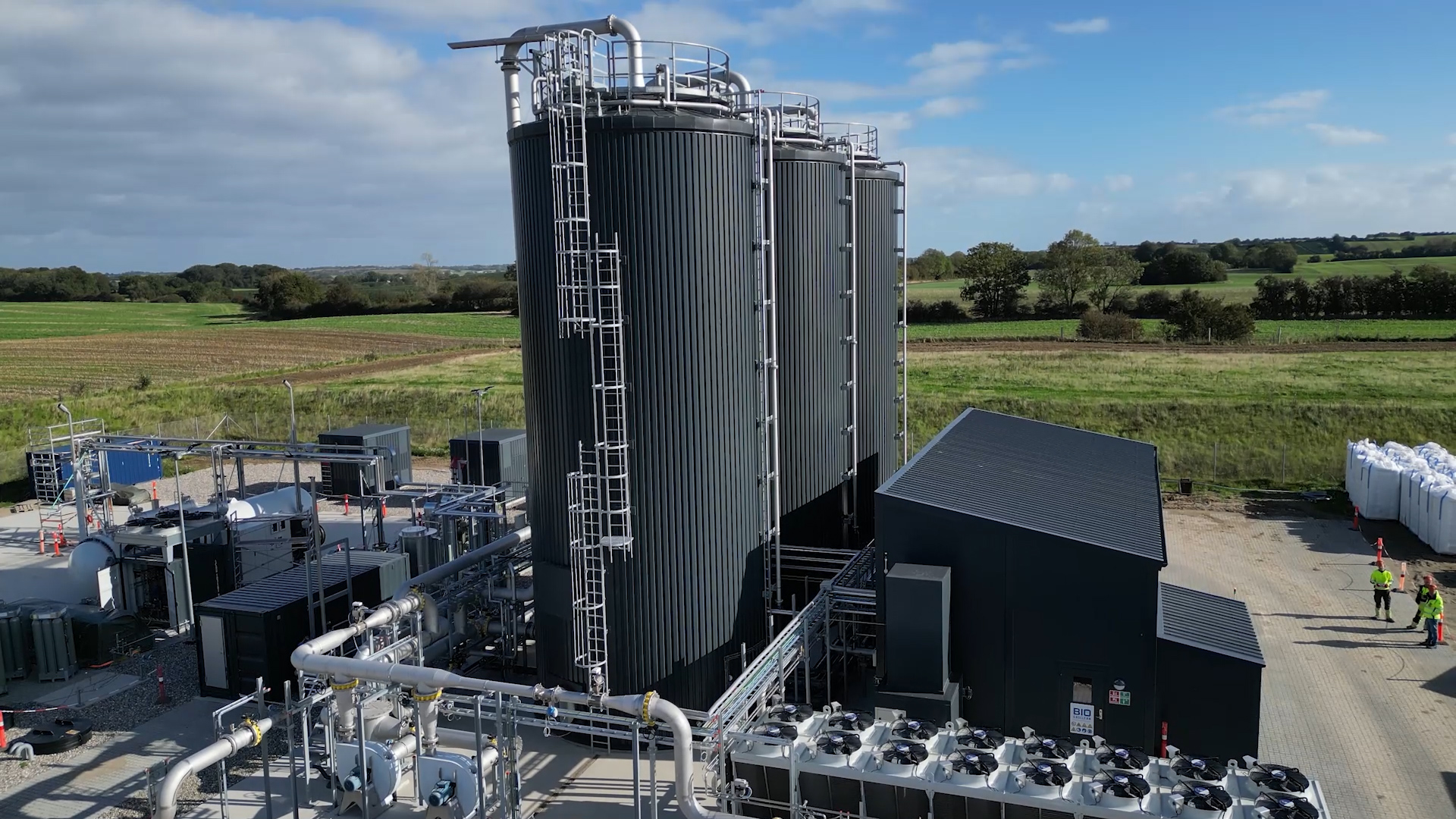
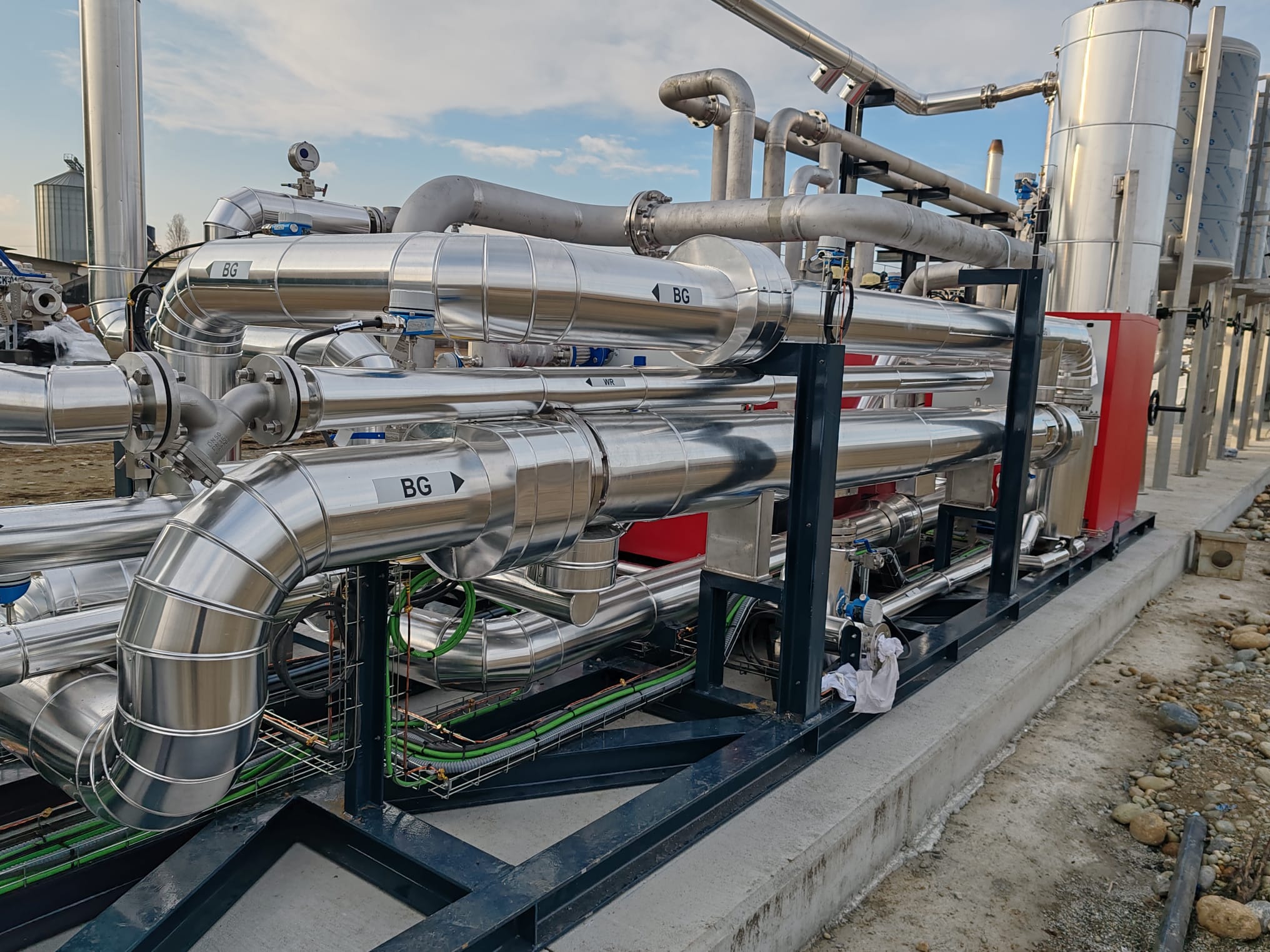
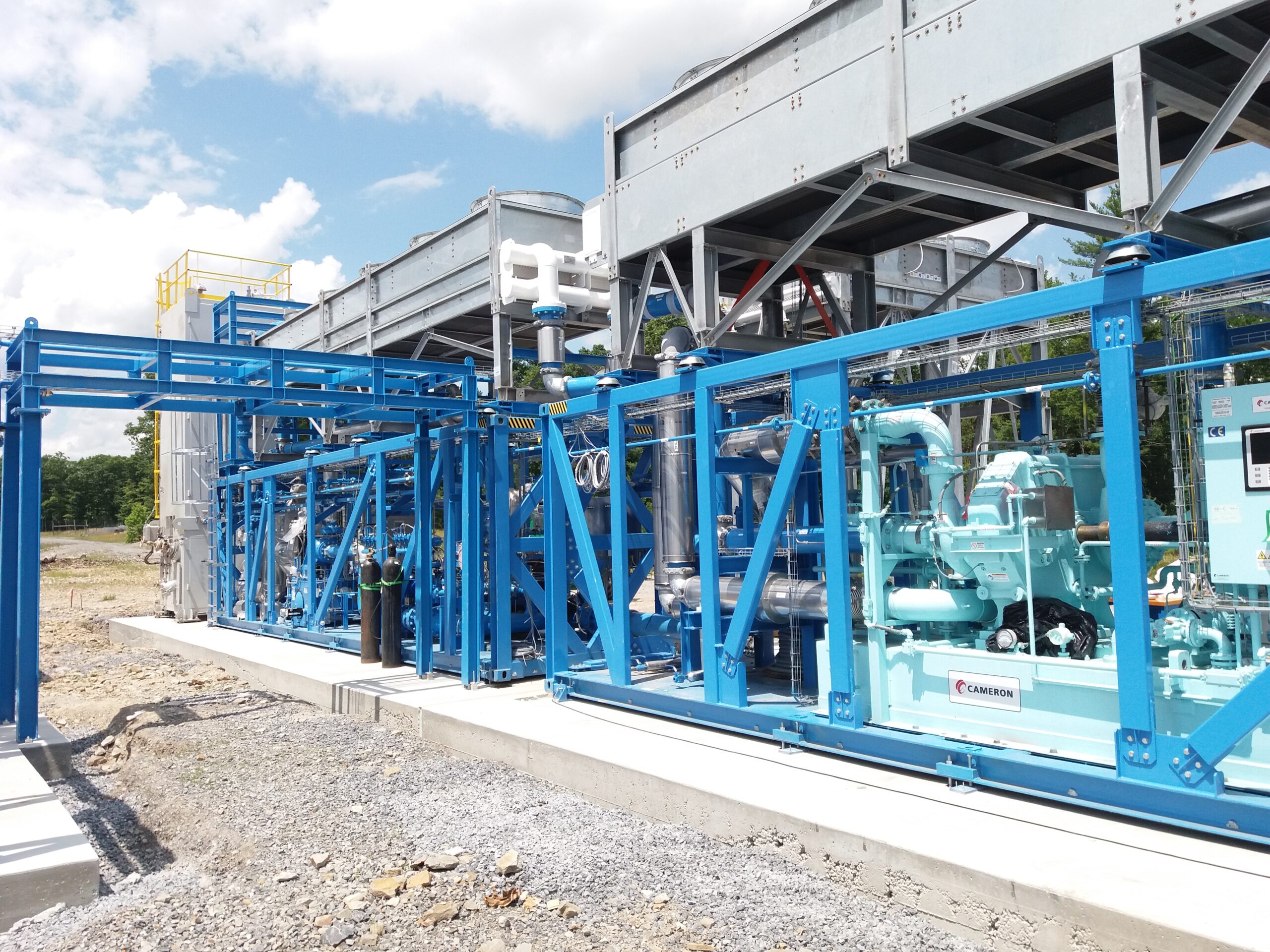
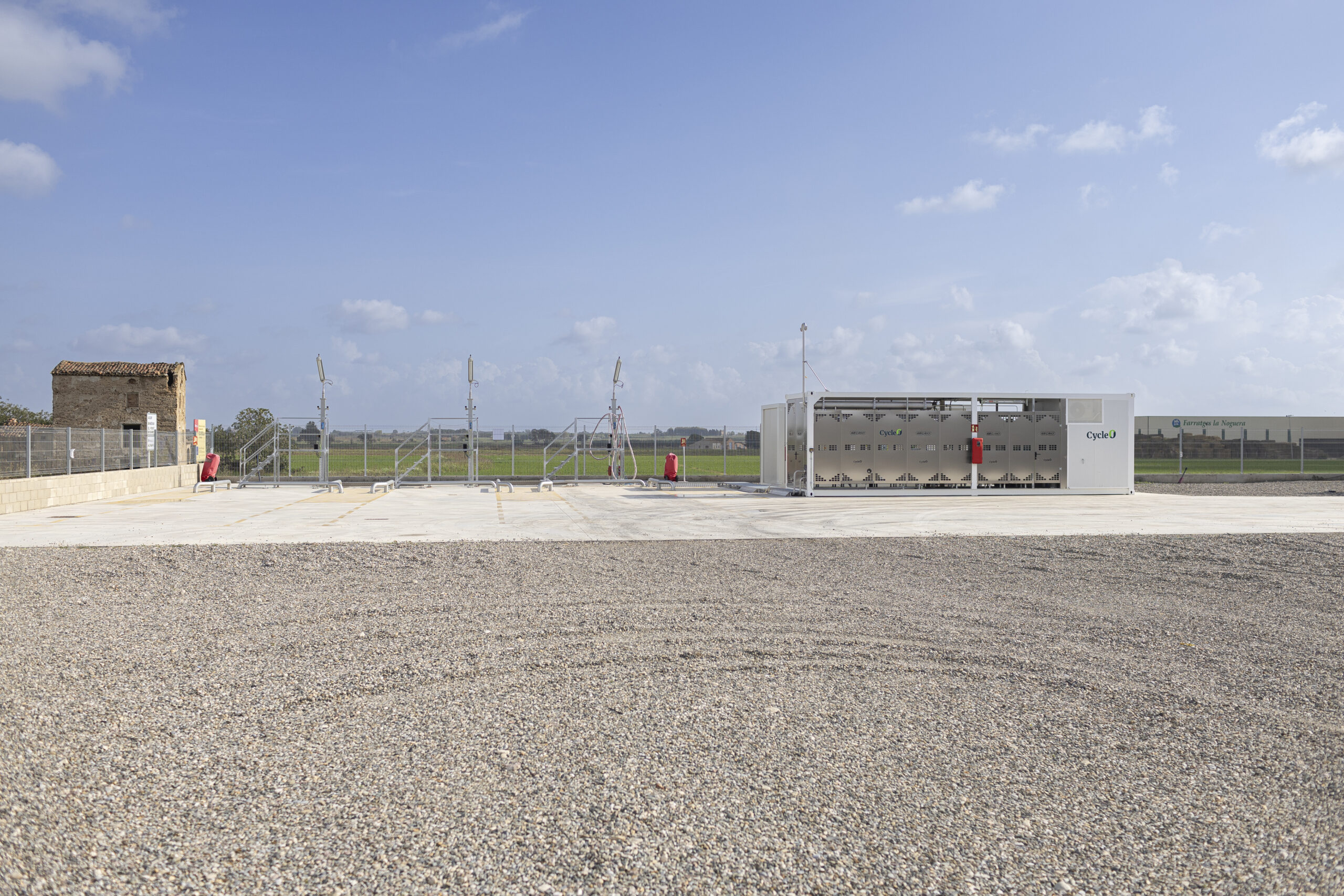

Reliable trusted solutions
100%
100% biological gas purification Biological desulphurisation is 100% chemical free with low and stable TCO compared to alternatives
400+
Installations worldwide The leader in gas transformation solutions, Biogasclean solutions have been trusted across varied sector applications for almost 20 years.
98% availability
Self-regulating biological solutions Desulphurisation for reliable H₂S removal from biogas. Chemical-free self-regulating solutions that adapt to changes in process flows without the need for manual intervention.
Applications in action
Explore how Biogasclean full gas transformation solutions are delivering value across diverse sectors, enabling H₂S removal and biogas upgrading.


Testimonials
The Biogasclean upgrading solution UPG-MS was adapted to our needs, giving us the flexibility and reliability we need. Being able to switch from biogas use to upgrading biomethane opens an important revenue stream for our co-operative and the strong operational support we received gives us confidence we can maintain high availability.
Alcarràs Bioproductors

Working with Biogasclean has been a really strong partnership. They are strong on project execution, and they are strong on engineering.
Project Innovation, Nature Energy.
Cycle0 was the best partner to carry out this project, especially due to its economic and technological scale.
President, Toysal Group
What we have learnt is that responsible management of waste is possible. Here, we obtain clean energy that is directly injected into the grid, fertilizers that enrich the soil, all within a sustainable framework.
Technical Director, Toysal Group
The Biogasclean upgrading solution UPG-MS was adapted to our needs, giving us the flexibility and reliability we need. Being able to switch from biogas use to upgrading biomethane opens an important revenue stream for our co-operative and the strong operational support we received gives us confidence we can maintain high availability.
Alcarràs Bioproductors
Working with Biogasclean has been a really strong partnership. They are strong on project execution, and they are strong on engineering.
Project Innovation, Nature Energy.
Cycle0 was the best partner to carry out this project, especially due to its economic and technological scale.
President, Toysal Group
What we have learnt is that responsible management of waste is possible. Here, we obtain clean energy that is directly injected into the grid, fertilizers that enrich the soil, all within a sustainable framework.
Technical Director, Toysal Group